Ready to make the switch from print-on-demand to your own capsule collection? With the Be A Designer private label, you start with ready-made, high-quality garments and customise them with your own graphics, labels and packaging, in batches of around 50 pieces per design. Find out more about our private label service →
A few months ago something happened in our style office in Gallarate that made me realise I had to write this article.
A guy - let's call him Marco, even though it's not his real name - sat down in front of me with the look of someone who has just discovered hot water. He had opened his laptop, showed me his shop on Shopify linked to Printful, and said with an enthusiasm that almost made me tender: “Corrado, look. I've already sold 47 t-shirts in two months. Without stock, without investing a euro in production. Print on demand is the future. I want to scale up.”
I looked at the numbers. Forty-seven T-shirts sold at EUR 29 each. Gross sales of EUR 1,363. Then I asked him how much he had spent on advertising on Instagram and Meta. The answer: EUR 780. The cost of the t-shirts from the platform? Around EUR 520 between production and shipping. Which left a net profit - after two months of work, content creation, order management, customer service - of EUR 63.
Sixty-three euros. Less than what you spend on dinner out for two in Milan.
Marco was not building a brand. He was funding Printful and Meta with his time and creativity. And the worst thing? He didn't realise it, because all the “online business without investment” gurus had told him that print-on-demand was the road to financial freedom.
I am Corrado Manenti, founder of Be A Designer, Italy’s first independent style consultancy specialising in supporting emerging designers. For over 12 years, I have been working side by side with those who want to turn their passion for fashion into a viable business — and to date we have launched over 200 brands. I have written two books on this journey, "Do you also want to be a designer?" e “The Designer's Journey“, and I developed the Fashion Business Designer Canvas at the Bergamo Polytechnic, a tool that has helped hundreds of people structure their fashion projects.
If this is the first article you read, welcome to Be A Designer: the home of up-and-coming designers. If you have been following me for some time, you know that I do not tell you fairy tales.
What you will find in this guide is not the usual list of platforms with affiliate links you find everywhere on Google. You'll find the perspective of someone who builds brands for a living and knows exactly where print-on-demand works, where it doesn't work, and most importantly, when it's time to stop printing graphics on generic T-shirts and start creating a clothing brand true.
Because the question is not “how do I print on demand”. The real question is: what kind of brand do you want to build?
What is print-on-demand - and why it seems to be the answer to everything
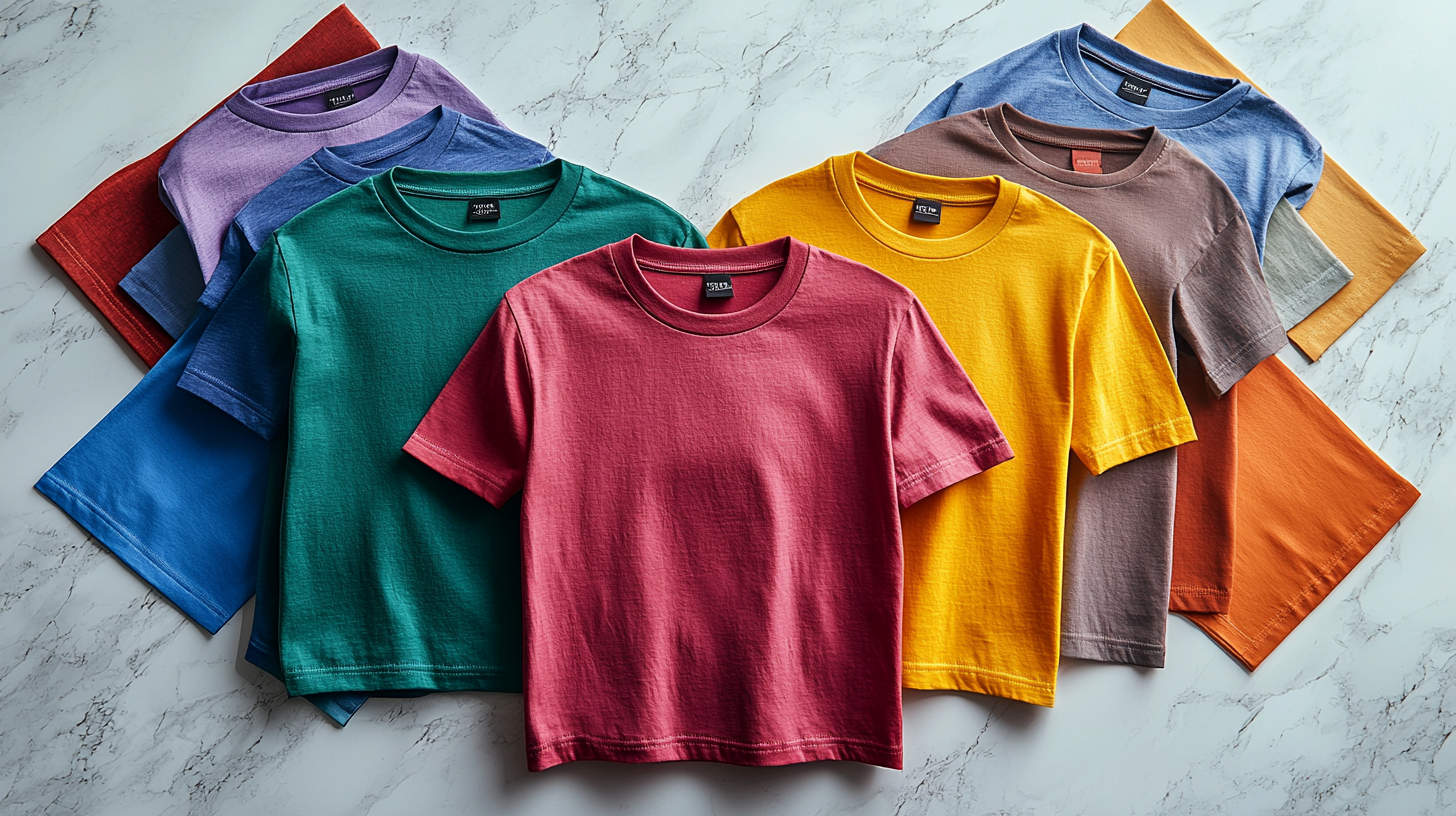
Before debunking the myths, it is only fair to understand what we are talking about. Print on demand - often abbreviated to POD - is a business model that has democratised access to the sale of customised products online. The basic idea is simple and, admittedly, ingenious: products are printed and shipped only when a customer places an order. No warehouse, no unsold stock, no risk.
Print on Demand (POD) and a business model in which products are printed and shipped only after the customer's order. It does not require warehousing or investment in stock. According to the Be A Designer method, it is a useful tool in the exploratory phase of a fashion project, but cannot replace brand building with proprietary products, defined identity and controlled production.
You upload a design - a graphic, a logo, an illustration, a pattern - to a print-on-demand platform. That platform makes your design available on a range of products: T-shirts, sweatshirts, caps, mugs, posters, phone covers, pillows. When someone buys from your online shop, the platform receives the order, prints the design on the chosen product, packages it and ships it directly to the customer's home. You never touch the product. You do not invest in stock. You do not manage logistics.
The mechanism works in five steps: you create the design, you connect it to your e-commerce via the POD platform, the customer orders, the platform produces and the platform ships. All automated. You take care of the creative and marketing part. The rest happens without you.
I fully understand why the model attracts so many people, especially those who are just starting out. Zero risk, zero initial investment, zero production skills required. It's every aspiring entrepreneur's dream, isn't it? To be able to sell without having to buy first.
And therein lies the point. Print on demand is an extraordinary tool for certain things. But it has been sold - by online marketing gurus and the very platforms that make money from it - as something it is not: the way to “create a fashion brand” from scratch, with no money, no skills, no effort.
The reality, as always, is a bit more complicated.
How printing really works: the technical detail that changes everything
There is one aspect of print on demand that hardly anyone talks about, and which makes a huge difference in the quality of the final product: the printing technique. Not all prints are the same, and in the world of fashion - where the customer touches, wears and washes what they buy - this detail is everything.
The most common technique in POD is the DTG, which stands for Direct to Garment. Basically, an inkjet printer prints directly onto the fabric of the garment, just as an office printer prints onto a sheet of paper. The result is good: high definition, unlimited colours, faithful reproduction of graphics. The problem? After twenty, thirty washes - sometimes even less - the print begins to fade, to crack, to lose definition. For a brand that focuses on quality and customer loyalty, this is a problem you cannot ignore.
Then there is the sublimation, a fascinating technique in which heat transfers the ink into the synthetic fabric. The colours are vivid, the print can cover the whole garment - the famous all-over print you see on sweatshirts. But it only works on white or clear polyester. If your brand relies on cotton, wool, mixed fabrics or dark colours, sublimation is not for you.
La automated screen printing offers a much higher durability than DTG - colours remain brilliant even after a hundred washes - but is limited to a few colours per design and has setup costs that make it economical only on large volumes. The embroidery gives an unquestionable premium effect, but only works with simple designs (no pictures, no shades) and costs considerably more. And the transfer - the cheapest technique of all - and also the one that the customer immediately recognises by its “plastic” feel, that shiny relief on the T-shirt that screams “printed on demand” from afar.
“The fabric and 60% of your product.”
- Corrado Manenti, The Designer's Journey
But the press, in the POD world, is the other 40%. And you have very little control over that 40%.
Print-on-demand platforms in Italy: an honest overview
If you are considering print-on-demand as a starting point - and note: I said “starting point”, not “destination” - it is useful to know the platforms operating in Italy in 2026. I analysed them not from the point of view of those who want to sell gadgets, but of those who might want to use POD as a springboard to something more serious.
We start with Hoplix, which is the Italian platform of reference. It has over 200 customisable products, produces in Italy and Europe, offers assistance in Italian - which is not a detail when you have to solve a problem with an order at eleven o'clock at night - and ships to Italy in 2-4 days. And the most natural choice if your market is Italian. The limitation is that the catalogue is smaller than the international giants, so if you are looking for particular products you might not find them.
Tissquad has carved out an interesting niche for itself: it specialises in clothing - t-shirts, sweatshirts, personalised clothing - and the quality of the printing is above average in the industry. If your focus is exclusively on clothing and you don't need mugs, posters or pillows, it's worth a look.
Weloco works with a different model: timed campaigns - like crowdfunding - plus a permanent store. The idea is that you create a campaign with a sales target and a timer, which generates urgency and a sense of scarcity. This works well for limited edition launches, less so for those looking for an ongoing brand structure.
On the international front, Printful and the undisputed leader. With over 491 customisable products, fulfilment centres in Europe, and the possibility of fully branded packaging with your logo, it is the most complete platform around. The quality is constant - which is rare in the POD world - but shipping times in Italy are 5-10 days and the basic costs are not the lowest on the market.
Ice cream has a different approach: a network of over 130 production partners in 34 countries, which means your order is printed in the centre closest to the end customer. In theory, this is brilliant - faster shipping, less environmental impact. In practice, quality can vary from one centre to another, and you have no way of controlling that.
Spreadshirt, and the pioneer in the industry - it has been in existence since 2002, before the term “print on demand” became mainstream. Its unique advantage is the integrated marketplace: your products can be found by people browsing Spreadshirt's marketplace even without knowing your brand.
Italian platforms
International platforms
A piece of advice I often give to explorers: don't choose a platform based on online reviews. Order a sample from each - it costs EUR 15-20 - and evaluate it yourself. Touch it, wash it three times, look at it against the light. You'll need that practice test more than a hundred comparison items. In our style office we do exactly that when we evaluate a new supplier: first of all, you touch the fabric. As my father - who spent forty years in the textile chemical industry - used to say, “a fabric never lies”.
There is another aspect of platforms worth considering: integration with emerging sales channels. In 2026, TikTok Shop has become a very powerful sales channel for fashion. Some POD platforms are already integrating with TikTok Shop, which opens up interesting possibilities for those who want to test social commerce without investing in production. But - and here we come back to the basic point - selling on TikTok Shop with a generic POD product and selling with your own product, with your identity, your story, your fabric, are two completely different things. The first is a test. The second is a brand.
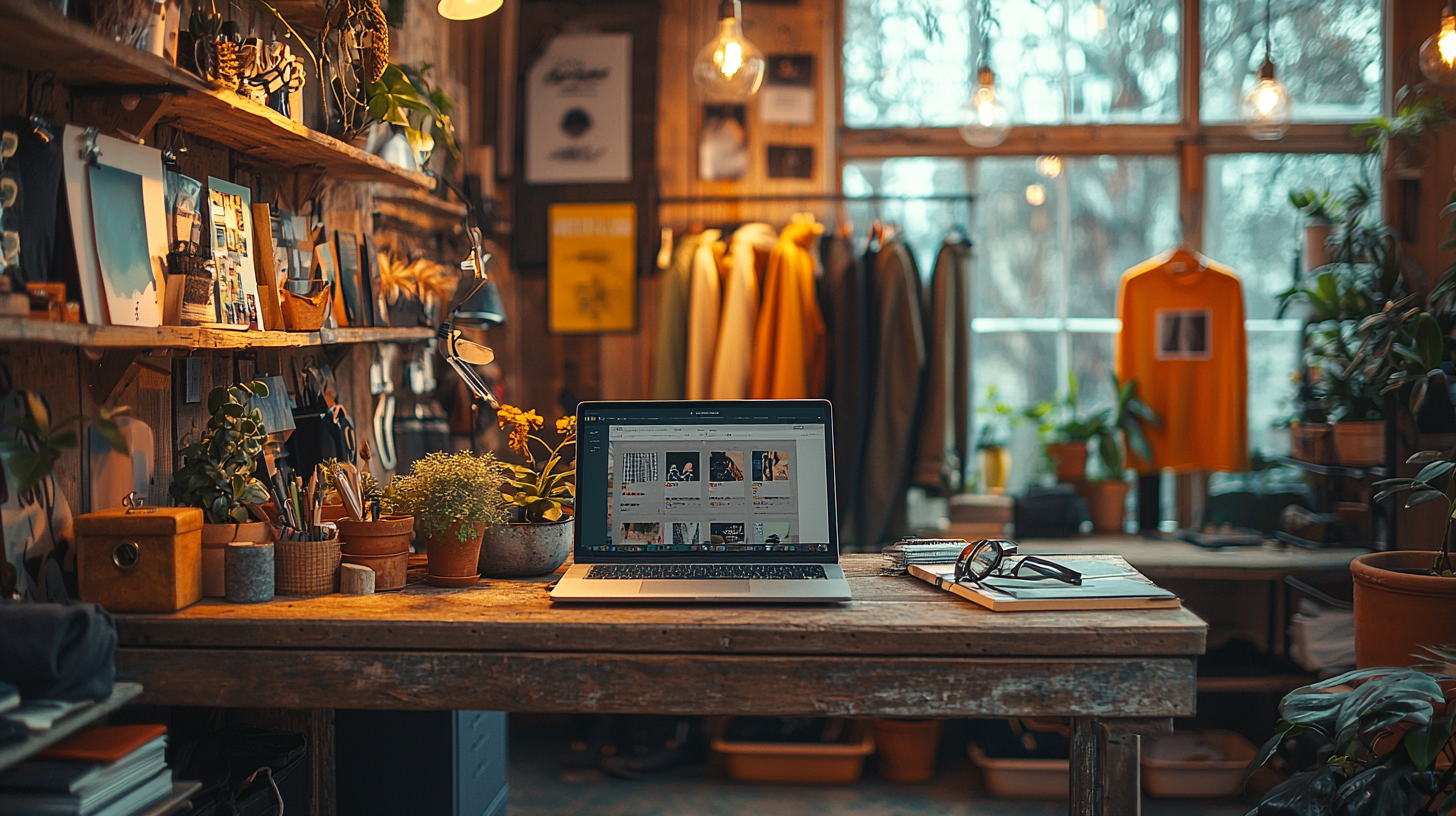
The maths that no one tells you: how much you really earn
And here we come to the point that POD platform sites address with the delicacy of an elephant in a china shop: margins. Or rather, the absence of margins.
Let's do an exercise together. Get your calculator - or do it in your head, the numbers are simple.
A t-shirt from the POD platform costs you between 10 and 13 EUR, including printing. To this figure you have to add shipping to the customer, which for Italy is another EUR 4-6. Then there is the payment processor's commission - Stripe, PayPal, or Shopify's commission - which eats up 2-3% of the sale price. And finally, if you don't already have an audience that follows you and buys everything you offer, you have to invest in advertising to bring traffic to your e-commerce. And here we are talking about EUR 5-15 per sale generated, if you are good with campaigns. If you are a beginner, it can be much more.
How much do you really earn with a POD T-shirt
EUR 29
-10/13 EUR
EUR -4/6
EUR -0.60/0.90
EUR -5/15
0-7 EUR
Which means that your net margin, the money left in your pocket after paying everyone, is something between zero and seven euros. And in many cases, when advertising does not perform as hoped, it is below zero. You are literally paying for the privilege of selling.
“But Corrado, if I raise the price to EUR 39?”
You can do it. The margin goes up to EUR 4-17, which is already better. But at EUR 39 for a t-shirt printed on a generic blank - the exact same pattern used by a hundred thousand other sellers around the world - you're competing directly with brands that offer Italian fabrics, a studied fit, custom labels and a real story to tell. For the same price, why would the customer choose your T-shirt printed on a Bella Canvas 3001 over a product with an identity of its own?
Now compare these numbers with the contract manufacturing. A t-shirt made in Italy with quality fabric, your cut and pattern, your labels - in a batch of 50-100 pieces - costs you between EUR 8 and EUR 15. Yes, you read that right: often less than the POD, because you are eliminating the middleman. Sold at EUR 39, the net margin is between EUR 18 and EUR 25 per piece. Double or triple that. Plus you have total control over quality, fit, materials, packaging. Your garment is labelled “Made in Italy”, not “Printed by Printful”.
POD vs Own Production Made in Italy - margin comparison
EUR 10-13
EUR 8-15
0-7 EUR
EUR 18-25
The difference? Own production requires an initial investment - we are talking about EUR 2,000-5,000 for an initial capsule collection of a few models - and the POD requires zero. But that zero EUR of investment also produces zero real growth. And the trap so many fall into: they sell, but never build anything lasting.
As I always tell my clients: if your competitive advantage is “cheap”, you have already lost. The value lies in uniqueness - in design, in quality, in storytelling, in positioning.
This does not mean that the POD is a scam. It means you need to understand exactly what you are doing and why. If you use it as an exploratory tool - to test the market, to learn, to see if your idea has traction - it's perfect. But if you build your business dream on it, you're building on sand.
I remember an episode that I often recount in consultations. A girl - Giulia, we'll call her - had come to us after a year of POD on Etsy. She was selling printed canvas bags, cute designs, fairly successful. I asked her to show me the numbers. Annual turnover: about EUR 8,000. Not bad for a single person working from home. Then I asked her to calculate - really calculate, with the spreadsheet open - her net profit. After subtracting platform costs, commissions, advertising, the cost of her time at minimum wage: she was at a loss of about EUR 1,200. She had been working for free for a year and paid for it. And she hadn't realised it because no one had ever asked her to do that calculation.
“Don't guess and don't be guided only by instinct. Numbers are your best ally.”
- Corrado Manenti, The Designer's Journey
That is why I insist so much on numbers. Not to scare you, but to give you the tools to make informed decisions. In our method, the first thing we do after Brand Code is just that: sit down with a spreadsheet and see if the numbers hold up.
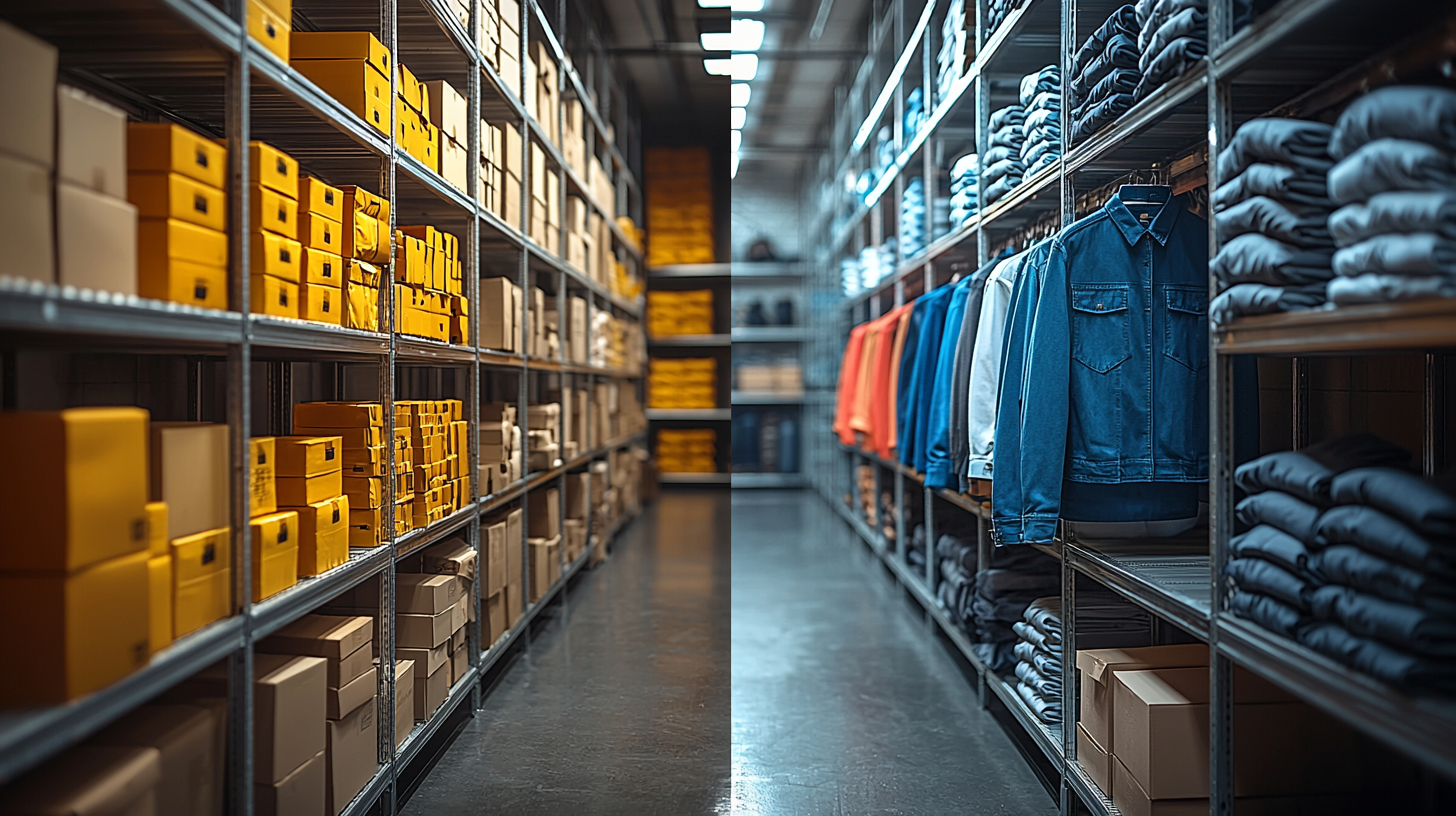
The real knot: why the POD will never make you a brand
Let me tell you with my trademark frankness something that no print-on-demand article will ever tell you. Not because it's a secret, but because the people who write those articles usually make money from POD platform commissions, not from building fashion brands.
Print on Demand has structural limitations. They are not bugs, they are not flaws that will be fixed with the next platform update. They are inherent limitations of the model. And understanding them is the most important thing you can do before deciding how to invest your time and resources.
The first - and most fundamental - limitation is that you do not control the product. When you use the POD, you don't choose the fabric. You don't choose the weight. You don't decide the type of stitching, the fit, the elasticity, the fall of the garment on the body. What you sell is a generic product with your graphic on it. The difference between a garment that the customer wears with pride and one that ends up in the bottom of the drawer after two washes is not in the graphics: it is in the fabric, the fit, the feeling you get when you wear it.
In our style office, one of the first things we do with each emerging designer is fabric selection. We touch them, iron them, wash them, test them. I spent more than ten years in the family business - chemicals for textiles: finishing, printing, dyeing - and I have been visiting manufacturing realities all over the world since my early twenties. I know the supply chain with my dirty hands, not from catalogues. And I assure you that the difference between a EUR 4 per metre fabric and a EUR 12 per metre one is not a snob's whim: it is the difference between a returning customer and one who leaves you a one-star review.
With the POD, this choice does not exist. The fabric is decided by the platform.
The second limitation is the’homologation. If you use Printful, your customers will receive the exact same t-shirt model that a hundred thousand other sellers around the world use. The same fit, the same fabric, the same inner label (which you often cannot even replace). Your “collection” will be physically identical to thousands of others. The only difference? The graphics printed on it.
For a brand that wants to build an identity, this is a huge problem. In the Be A Designer method we define the 8 Iconic Elements that make a brand recognisable: the functional dimension, the main article type, the target genre, the art direction, the shape, the elements on the garment, the experience and uniqueness. With print-on-demand you can work on at most two of these eight elements - the art direction (the graphics) and maybe the experience (if the platform allows you decent packaging). The other six are completely out of your control.
The third limitation concerns the growth. With margins of EUR 0-7 per piece, you can't do anything to grow a brand. You cannot invest in serious marketing - and in 2026 you need at least EUR 500-1,000 per month in advertising to generate traction. You can't do professional photo shoots - that cost EUR 1,500-3,500 for a day. You cannot participate in trade fairs - which cost EUR 3,000-9,000 per edition. You cannot finance the next collection. You cannot hire collaborators. You are stuck in a cycle where every sale leaves you with a few pennies and you never have enough resources to make the leap. The POD allows you to sell, but not to build.
The fourth limitation is the shipping times. In 2026 the customer expects the parcel in 2-3 days - Amazon has raised the bar for everyone. With print on demand, between production on demand and shipping, we are talking about 5-12 days for Italy. A difference that directly affects your e-commerce conversions, return rates and customer satisfaction.
The fifth limit is the deepest and most difficult for the beginner to understand: the’absence of uniqueness. A brand is not a logo on a product. A brand, as I always say, is an architecture of meanings, emotions and promises. And those meanings are built through every single detail - the fabric the customer touches, the fit he feels on, the packaging he opens, the tag he reads, the scent he smells when he takes the garment out of the bag.
With the POD, all these touchpoints are standard. Identical for everyone. And your brand, no matter how beautiful the graphics and memorable the name, remains indistinguishable from thousands of others. Like that phrase attributed to Coco Chanel: fashion is architecture, and a matter of proportion. In POD, the proportions are decided by someone else.
The 5 limits of print on demand for fashion: no control over the product (fabric, fit, stitching), total homologation with other sellers, insufficient margins to reinvest (0-7 EUR/piece), long shipping times (5-12 days), lack of uniqueness in brand touchpoints. These limitations are structural and cannot be solved by remaining in the POD model.
When print-on-demand makes perfect sense
Don't get me wrong. I'm not saying that print-on-demand is absolutely evil. It would be like saying a bicycle is useless because it's not a Ferrari. The bicycle is perfect for certain routes. The problem arises when someone convinces you that with a bicycle you can win Formula 1.
Print on demand has a precise role in an entrepreneurial journey, and that role is not “founding a fashion brand”. It is rather a tool for specific stages of that journey.
The first scenario in which the POD works great and the validation of the idea. You have a concept for a brand - maybe an aesthetic, a message, a target - but you don't know if the market cares. The POD allows you to do what in startup jargon is called a “smoke test”: you create 3-5 designs, put them online, invest EUR 200-500 in advertising and observe what happens. If you sell 50-100 pieces in a few weeks, you have valuable validation. Not of the product - that will change completely when you go into real production - but of the interest in your creative proposal and positioning. It is an experiment that lasts 1-3 months and costs you practically nothing. The information you gain, however, is worth gold.
The second scenario and the merchandising for brands that already exist. If you have a brand with its own production and an active community, the POD is perfect for secondary products: the tote bag with the logo that you give away at events, the cap that your fans ask for on Instagram, the mug for the office with the brand motto. Products that do not justify a dedicated production but serve as points of contact with those who follow you. At Collection Pyramid of the BAD method - the framework we use to structure collections - these products fall into the Low Budget, which represents about 20% of the collection and serves to welcome new customers into your world at an affordable price. And they can safely be in POD, while the heart of the collection - the Massive Impact to the 70% and the’Aspirational to 10% - requires own production.
The third scenario concerns the content creators and artists who want to monetise their audience. If you are an illustrator, influencer, musician or creator and you want to offer merchandising to your followers, the POD is the most logical and sensible choice. You are not building a fashion brand: you are selling an extension of your digital identity. And the POD works great for that, because the perceived value is not in the item itself but in the membership of your community.
The fourth scenario is what I call the pre-brand gym. Do you have zero experience in the e-commerce world, zero budget and a lot of desire to learn? The POD allows you to practise the whole process: how e-commerce works, how to set up advertising campaigns, how to communicate a product, how to manage customer service. You learn by doing, and the lessons you learn will serve you well when you make the leap to real production.
The golden rule, the one I write on the blackboard every time an aspiring designer asks me about POD, is this: use it to learn and test, not to build.
A distinction I often make in consulting is that between “doing fashion” and “doing business in fashion”. They are two different things, and print on demand confuses them. It makes you feel like you are “doing fashion” - you have a shop, you sell products, customers receive packages with your graphics. But you are actually marketing for a platform, not building your brand. The difference is subtle but fundamental: in the first case, if Printful closes tomorrow, you have nothing. In the second case, if your e-commerce closes down, you still have a brand, a sampler, a network of suppliers, a community of customers, an identity. The brand outlives the platform. And the brand is the real asset.
“A designer does not create clothes, he creates business models. And a business model that is 100% dependent on a third-party platform is not a business model - it is a dependency contract with conditions that you have not negotiated.”
- Corrado Manenti, Do you also want to be a designer?
Have you tested the POD and want to make the leap?
Book a free consultation with Corrado to understand the next concrete steps towards your Made in Italy brand.
The signs that tell you: it's time to take the leap
How do you realise that print on demand is holding you back? In our style office we see the same signs repeating themselves, project after project.
Your customers are starting to complain about quality. They may not tell you directly - in Italy we are polite - but lukewarm reviews, increasing returns and no repeat orders speak volumes. A customer who buys once and does not return has received a product that did not convince her.
The margin per sale does not allow you to reinvest. Every month you break even or make a small profit, but you never have enough resources to make the quantum leap you feel necessary: a real shoot, a serious advertising campaign, participation in a trade fair.
You would like to offer different sizes, specific fabrics or exclusive models, but the platform does not allow you to do so. You are a prisoner of the standard catalogue.
You feel “the same as everyone else” and cannot understand why customers should choose you. The answer, often, is that there is no reason - because the physical product is identical to that of thousands of other sellers.
You dream of selling to boutiques and shops, maybe the multi-brand in your city centre, but when they ask you “do you have a sample book?” you don't know what to say. POD does not produce sample books.
You would like to attend Pitti, White Milano, any trade fair - but you have nothing proprietary to display. A grid of mockups on your laptop is not the same as real garments that you can touch, wear, feel.
You want your garment to be labelled “Made in Italy”. Not “Printed in Latvia” or “Produced by [platform name]”.
If you recognise yourself in even two or three of these situations, you are ready. And the path ahead of you, I'll tell you now.

The path from print-on-demand to in-house production
The transition from POD to own production does not have to be a leap in the dark. You don't have to wake up one morning, close your Shopify shop and invest thirty thousand euros in production. It is a gradual path that you can take in a controlled manner, step by step.
The first step - and the most important one, the one that makes the difference between those who make it and those who waste money - is defining who you are as a brand. Before producing anything. Before choosing a fabric. Before talking to a supplier. You have to know who you are.
In our method, this work produces what we call the Brand Codea 30-40 page strategic document that defines your identity, your market positioning, your target audience, your unique value proposition, your story. It is not a logo. It is not a colour palette. It is the deep architecture of your brand, the document from which every subsequent decision descends - from the fabric you choose to the tone of voice of your Instagram posts.
The Brand Code is the result of six consultancy sessions in our journey. And if it seems like a lot of work to “define a brand”, let me tell you that every up-and-coming designer I saw fail had skipped this exact step. They had beautiful products, sometimes beautiful. But without direction, without clear positioning, without knowing who they were talking to and why.
The second step is designing a capsule collection targeted. You don't have to go from zero to fifty items. Start with six, eight, maximum ten models. In our method we structure them with the Collection Pyramid - a framework that divides the collection into three levels.
At the top is the Aspirational, which represents about 10% of the collection: one or two exclusive, high-design, premium-priced garments. These are the pieces that make people talk about you, that end up in magazines, that your most loyal customers want. They are not necessarily the ones that sell the most, but they are the ones that define the brand identity.
In the centre is the Massive Impact, the 70% in the collection: four, five, six garments that are the commercial core. Recognisable design, high but affordable price, excellent quality. These are what generate the turnover.
Underlying this is the Low Budget, the 20%: one or two entry-level products - and here, if you want, you can also keep something in POD as a bridge between the old model and the new one.
The third step is finding the right production partner. Italy has one of the richest and most specialised production chains in the world - I do not say this out of patriotism, I say this from direct experience of those who have visited factories and workshops halfway around the world. The main districts are Lombardy for high-end pret-a-porter and quality knitwear, Tuscany for leather goods - Florence and Santa Croce sull'Arno in particular - Veneto for footwear and sportswear, Emilia-Romagna for knitwear and underwear, and Campania for excellent men's tailoring.
For those starting from scratch, finding the right producer is often the biggest challenge. Not because they do not exist - there are hundreds of excellent workshops - but because finding them, contacting them, understanding who is suitable for your project and who is not, requires time, relationships and knowledge of the territory. This is why we have created Easy Chaina database of over 130 verified Italian suppliers, organised by type of processing. And the tool I wished I had when I started.
The fourth step and the prototype. It is the moment when your designs come to life - and if you have done the previous steps well, it is also the most exciting moment of the whole process. It starts with pattern development - two or three weeks of work with a specialised patternmaker, costing EUR 100-300 per pattern. Then the first prototype - another two or three weeks, EUR 50-150 per piece. Almost certainly the first prototype will not be perfect: the sleeve is too long, the seam pulls, the fabric does not fall as expected. This is normal. We proceed with the defect correction - the correction of defects - and then the final sample. The whole process takes 7-11 weeks and an investment of EUR 2,000-5,000 for a capsule of 6-8 garments.
Prototyping costs - from paper to finished garment
EUR 100-300
EUR 50-150
Included in the process
7-11 weeks
2,000-5,000 EUR
Are these numbers important? Yes. But compare them with what you would spend in a year of zero-margin advertising with the POD - probably more - and in return you would have real, unique, Made in Italy garments, which you can photograph, show, sell at a premium price, present to buyers and the press. The difference is that with own production, every euro spent builds something lasting. With POD, every euro spent disappears the moment you stop spending.
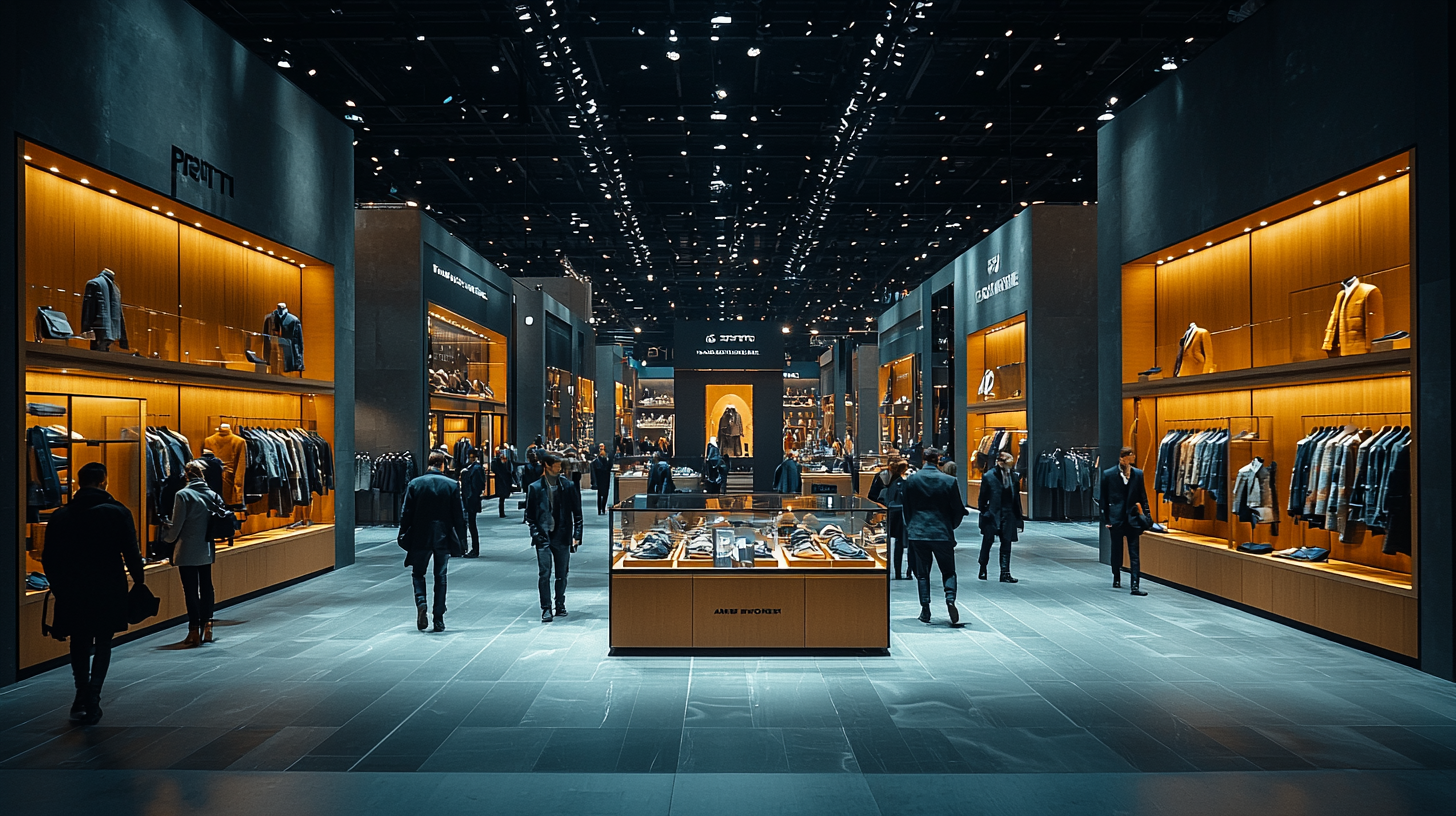
The fifth step and the launching with strategy. Once you have the sample book in your hand, you have something that the POD can never give you: unique, physical products that you can touch. From here you can do a professional photo shoot - we run it in our studio, with photographers and models, and capture the essence of the collection with images that tell a story. You can open a proprietary e-commerce - and here my advice is always WooCommerce on WordPress rather than Shopify, because your brand deserves to own its online space, not rent it. You can launch with a pre-order campaign to collect orders before production and minimise risk. You can pitch to boutiques and multibrands. You can participate in trade fairs.
The world opens up, literally, the moment you have a real product to show.
And you know what the best feeling is? When the first prototype arrives on the table in our style office and the designer picks it up for the first time. It's not a mockup, it's not a screen shot, it's not a blank with a print on it. It's his garment. The fabric he chose. The cut he designed with our team. The label with his name on it. That moment - I'm telling you after experiencing it hundreds of times - is worth more than a thousand sales on Printful.
Because at that moment you understand the difference between selling a product and building a brand. The product is something the customer buys once. The brand is something the customer recognises and returns to, season after season.
And that is something that print on demand, by its very nature, can never give you.
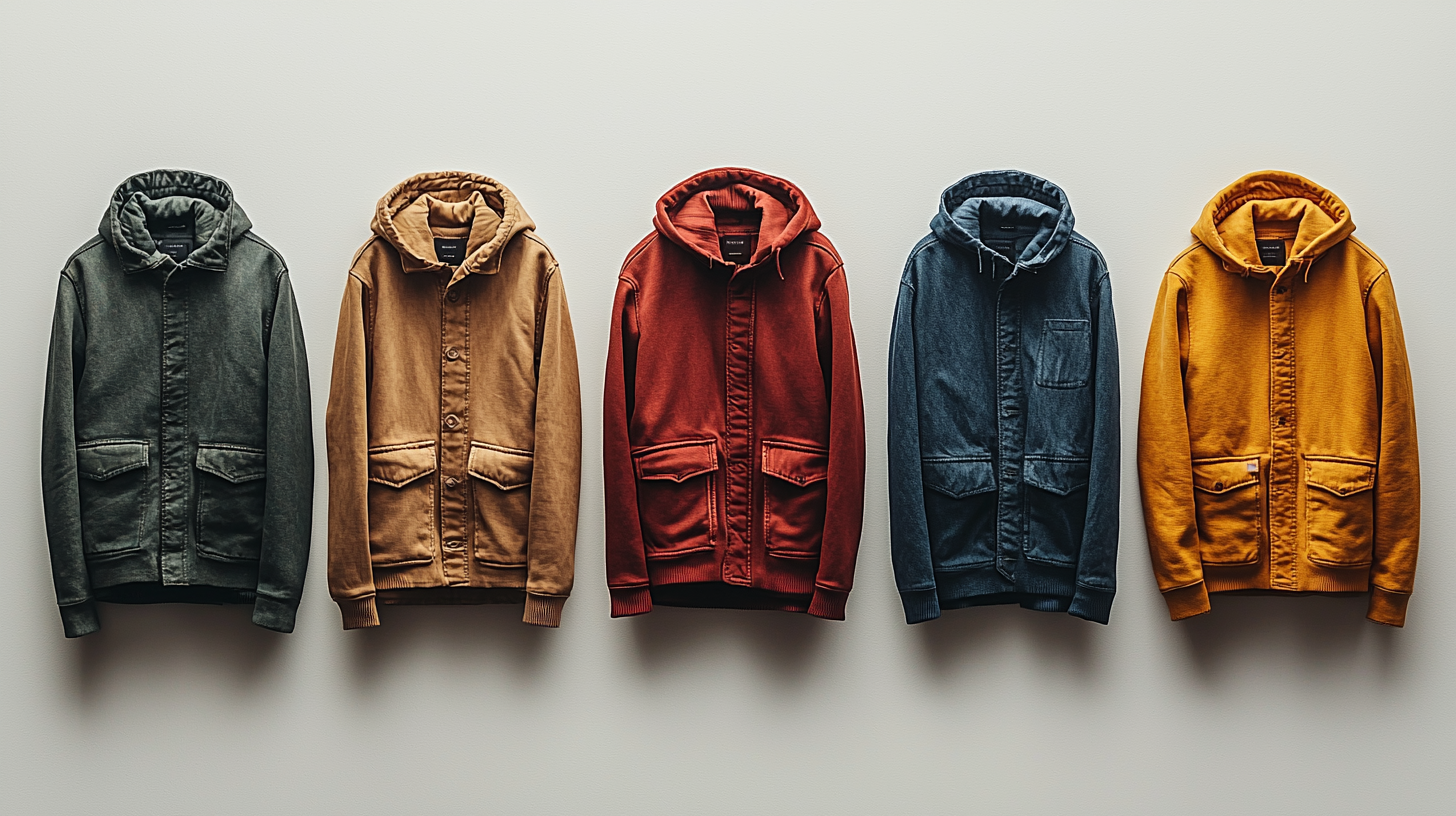
The real budget: how much is needed to make the leap
I know this is the question that has been burning in your head since you started reading. Let's talk concrete numbers, no pun intended. If you want to go deeper, we have written a comprehensive guide on how much does it cost to create a clothing brand.
Budget for the jump from POD to own production
5,000-8,000 EUR
15,000-25,000 EUR
25,000+ EUR
If you come from the POD and want to make the first jump, the level micro-brand requires between EUR 5,000 and EUR 8,000. We are talking about a capsule of 3-5 simple models - t-shirts, sweatshirts, something basic - with a production of 50-100 pieces in total, a studio shoot and a minimal e-commerce. It is the most accessible way to go from “I sell graphics on generic blanks” to “I have my own product, with my own cut, my own fabric, my own label”. It's not a complete brand, but it's a real start.
The level serious startup requires EUR 15,000-25,000. Here we are in true brand territory: a capsule of 8-12 models, complete brand design with Brand Code, professional prototyping, production of 200-300 pieces, editorial shooting on location, structured e-commerce and a launch marketing plan. This is the balance point where the brand is born solid, credible and competitive.
For a professional launch we are talking about EUR 25,000 upwards. All that of the previous level with higher quality, plus a dedicated advertising budget, participation in trade fairs, collaborations with micro-influencers and - fundamental - a financial cushion for the second collection. Because the brand is not a collection: it is a journey of consecutive seasons, and without resources for the second season you risk stopping just when you are starting to build recognition.
As I always repeat: creating a fashion brand is not a hobby. If you treat it as such, at best it becomes an expensive hobby. But if you treat it as a serious business investment - with a plan, a method, a partner to guide you - it can become something extraordinary.
The smart approach: using POD and own production together
Here is a strategy that I often recommend and that few people consider, because everyone thinks in black and white - either POD or own production. The smartest answer, in many cases, is: both.
Your core collection - the one that defines your brand, the one you sell at premium prices, the one you present at trade fairs and to buyers - is 100% Made in Italy. Fabrics selected by you, production controlled in the Italian supply chain, fit designed for your target audience. Each garment carries your label, your packaging, your story.
The ancillary products - the tote bag for events, the caps for the community, the mugs you give away to loyal customers, the affordable promotional t-shirts - you manage those in POD. Zero investment, zero risk, zero inventory. They serve as an entry point into your world for those who are not yet ready to invest in the premium price of key items.
This hybrid model allows you to maintain a premium positioning without sacrificing accessibility. The customer who buys your tote bag today at EUR 19 is the same customer who in six months' time will buy your jacket at EUR 189 - if in the meantime you have told him a story that won him over.
It is the same Collection Pyramid logic applied to production channels. It is not a compromise: it is a strategy.
Why 'Made in Italy' changes everything - and it's not just about the label
It often happens to me, in consultancy, to hear aspiring designers saying: “But Made in Italy costs too much, I can't afford it at the beginning”. And every time my answer is the same: it's not a cost, it's an investment. And very often it doesn't even cost more than the POD, if you know where to look.
Let me tell you something I learnt from my own skin, in the ten years I spent in the family business - chemicals for textiles, finishing, printing, dyeing. I visited factories in Turkey, in China, in India, in Thailand. I touched fabrics halfway around the world. And I'll tell you a truth that you won't find in any marketing course: Made in Italy is not a label. It is a way of working.
When you produce in Italy, you can go to the workshop. You can touch the fabric before it is cut. You can talk to the pattern maker, to the garment maker, look at the prototype as soon as it comes out of the sewing machine and say “here the seam pulls, this sleeve needs to be two centimetres longer”. This closeness, this direct control, is something that no print-on-demand platform on the other side of the world can ever give you.
And the market knows it. Consumers in 2026 are more informed than ever: they read labels, look for origin, reward brands that produce with transparency. The turnover of Italian fashion in 2024 exceeded EUR 96 billion, and even if the luxury sector has slowed down, emerging brands with a clear positioning and a strong identity are finding spaces that did not exist before. There is a void in the market - that of brands with a real history, quality products and affordable prices but not fast fashion - just waiting to be filled.
And the “Made in Italy” label is your passport to that market. It allows you to justify a premium price. It allows you to tell a story of craftsmanship and attention to detail that the customer perceives as authentic - because it is. It allows you to build relationships with buyers and shops that are looking for just that kind of product.
With print-on-demand, the label will say something else. And that difference, in the long run, is worth much more than the EUR 2,000-5,000 that separates POD from own production.
The five mistakes I see repeated by print-on-demand users
In twelve years of working with emerging designers, I’ve seen hundreds of entrepreneurial journeys. And I’ve noticed that those who use print-on-demand as the basis for their brand almost always make the same mistakes. I’m telling you this not to discourage you, but because if you’re aware of them, you can avoid them.
The first mistake is confusing ease of access with ease of success. The fact that POD does not require initial investment does not mean that selling is easy. The competition on Instagram and TikTok is fierce, the cost to acquire a customer increases every year, and without a clear positioning and a differentiating product you are only competing on price - a war that the big players will always win.
The second error is not calculating the true cost of one's time. Marco - the guy in the initial anecdote - spent an average of three hours a day creating content for Instagram, managing advertising campaigns, responding to customer messages, handling returns. Three hours a day for two months. If he had valued his time at even just EUR 15 per hour - and for a creative, that is little - he would have invested EUR 2,700 of working time to earn EUR 63 in profit. The time you devote to your project has value. Use it where it generates the highest return.
The third mistake is not having a plan for afterwards. So many people start with the POD thinking “first I'll start, then I'll see”. The problem is that the “then” never comes, because the margins do not allow you to accumulate the resources for the next leap. If you use the POD, it must be part of a broader plan - with a specific date when you will evaluate the results and decide whether and how to switch to own production. Without that plan, the POD becomes a comfort zone from which you never get out.
The fourth mistake is neglecting the brand to focus on the product. Or rather: on graphics. I see aspiring designers who spend weeks perfecting a print design, but have not defined who they are as a brand, who they speak to, what makes them different from the hundred thousand other POD sellers out there. The most beautiful graphic in the world, on a generic blank, with no brand code, no story, no positioning, is just a pretty design. It's not a brand.
The fifth mistake is the most painful: waiting too long to make the leap. I have seen people remain in POD limbo for two, three, even four years. Selling at zero margin, building up frustration, watching other brands spring up and grow while they stood still with the same generic blank printed t-shirts. The perfect time to make the leap does not exist - as I always write, there is the moment you decide to start. And the sooner you decide that, the sooner you start building something real.
The story of those who made the leap: Chiara's journey
Let me tell you about a case that is particularly close to my heart, because it perfectly represents the path from POD to the real brand.
Chiara was a graphic designer with an extraordinary eye for patterns. She had opened a shop on Etsy linked to Printful and sold sweatshirts with all-over prints - geometric patterns inspired by Art Deco architecture. She sold well, about 15-20 pieces per month, with a net margin that allowed her to pay for a few dinners out but no more.
When she came to us, the first thing I said to her was: “Chiara, your graphics are fantastic. But your product is identical to twenty thousand other Printful sellers. The value you create with your prints you are giving away to the platform.”
We worked together on his Brand Code. We discovered that his target audience was not “anyone who likes geometric prints” - it was much more specific: creative professionals between the ages of 28 and 40, who work in architectural firms, design agencies, art galleries. Women who appreciate detail, geometry, precision - and who were willing to pay a premium price for garments that reflected their professional and personal aesthetic.
With that clear positioning, we designed a capsule of eight garments - no longer just sweatshirts, but deconstructed jackets, palazzo trousers, a printed fabric bag. All produced in a workshop near Como, with Italian fabrics selected by her, with her prints integrated into the fabric (sublimation on technical polyester, not DTG on generic cotton) and packaging with attention to detail.
The result? The average price of its garments went from EUR 49 (the POD sweatshirt) to EUR 159 (the deconstructed jacket). The margin per piece has tripled. And the perception of the brand has changed radically: from “a sweatshirt shop printed on Etsy” to “an independent fashion brand with a unique aesthetic and Made in Italy production”.
The POD was not wrong for her - it had allowed her to discover her talent and validate the market. But it was a chapter, not the whole book. And the next chapter was much more interesting.
The Be A Designer method: how we accompany the leap
If you've come this far - and it's thousands of words, which tells me that you're really interested - you're probably wondering: how do I put this into practice without going crazy?
And that is exactly the question I’ve been answering every day for the past twelve years.
In Be A Designer we have built a six-step method that accompanies the emerging designer from idea to launch. It is not a theoretical course, it is not a PDF to download: it is a practical path where we work together, side by side, and at the end you have a real brand with real products ready for the market.
It starts from Brand Design - the phase where we build your brand architecture. We define the values, the positioning, the target. This is where the Brand Code is born, the strategic document that guides everything else. As I often say: if you don't know who you are, the market will never know it for you.
The second phase and the’Concept and Design. Your vision becomes a concrete collection - with moodboards, fabric selection, technical sketches, pattern selection. It is the phase where creativity merges with strategy, where each garment has a precise reason to exist within the Collection Pyramid.
Then comes the Prototyping and Production - from the paper pattern to the finished garment, all Made in Italy in our supply chain between Varese and Como. Gallarate, where we have our style office, is located in one of the most prestigious textile areas in Italy and Europe, a crossroads between Varese and Como, two excellences that the whole world envies us. This proximity allows us to control every stage of production in person, not remotely.
The fourth phase and the Shooting and Media. We capture the essence of your collection with professional photography and video - because fashion lives through images, and a beautifully photographed garment is a wasted opportunity.
The fifth phase and the’Strategic Coaching. We guide you in business decisions: pricing, distribution, planning for the following seasons. We do not leave you alone after the first collection - on the contrary, it is after the first collection that the path becomes really interesting.
And finally E-commerce and Digital AdvWe build your online presence and strategy to bring in qualified traffic. Because an e-commerce without traffic, as I always say, is like a beautiful boutique on a desert island.
The whole thing rests on the Fashion Business Designer Canvas, the tool I developed during my master's degree at the Politecnico di Bergamo, which allows you to design the brand in a structured way - from identity to production, from marketing to distribution - without ever losing sight of the big picture.
Print on demand in the age of artificial intelligence: an opportunity and a risk
I cannot close this guide without mentioning the elephant in the room: the’artificial intelligence in fashion. In 2026, AI has radically changed the way designs for POD are created - and this has huge consequences both positive and negative for those who want to use print-on-demand.
On the positive side, tools like Midjourney, DALL-E and the various Pattern Generator AI allow you to create professional-quality graphics and patterns without knowing how to draw. If you have a vision but lack technical illustration skills, AI can really bridge that gap.
On the negative side, however, AI has lowered the barrier of entry to POD even further. Whereas it used to take at least a talented graphic designer to create eye-catching designs, today anyone with a well-written prompt can generate professional-level graphics in seconds. The result? Even more competition, even more standardisation, even less chance of differentiation with graphics alone.
As I always say in our style department: AI is an amplifier. If you have strong vision, it amplifies it. If you have no vision, it amplifies the noise. In the context of POD, this means that AI makes the transition from “I sell graphics on blank” to “I build a brand with its own identity” even more urgent. Because AI-generated graphics, as beautiful as they are, are reproducible by anyone in five minutes. Your Brand Code, your Collection Pyramid, your hand-picked fabrics, your Made in Italy production - those are not.
AI takes you to the 60-70% of the creative journey. The last 30% - the one that turns an idea into a real, saleable product that the customer touches - requires skills that cannot be improvised. And this is exactly the space where a style office like Be A Designer makes the difference.
Frequently asked questions about print-on-demand for fashion
Does print-on-demand pay off when creating a fashion brand?
Print-on-demand works as a testing and validation tool, not as a basis for a serious fashion brand. According to the Be A Designer method, the limitations of quality, customisation and margins make it difficult to build a premium positioning with POD alone. It is suitable in the exploratory phase and for ancillary merchandising, but the core of the collection should be in own production Made in Italy.
How much do you make with print-on-demand?
The net margin on a T-shirt sold for EUR 29 via POD is EUR 0-7, once the basic cost of the platform (EUR 10-13), shipping (EUR 4-6) and customer acquisition costs (EUR 5-15) are subtracted. With own production in Italy, on the same sales price, the margin can reach EUR 18-25 - double or triple.
Do I need a VAT number for print-on-demand in Italy?
Yes. In Italy you need a VAT number to sell continuously. For occasional and sporadic sales under EUR 5,000 per year there is a grey area, but for a structured activity it is necessary. The 'forfettario' regime is the most common choice for starters.
What are the best POD platforms in Italy in 2026?
The main platforms with service in Italy are Hoplix (Italian, shipments in 2-4 days), Printful (global leader with 491+ products), Gelato (production located in 34 countries), Tissquad (specialising in clothing) and Spreadshirt (with integrated marketplace). To sell on Etsy, the best integrations are Printful and Gelato.
Can you do print-on-demand on Etsy?
Yes. Etsy integrates with the main POD platforms: when a customer buys from your Etsy shop, the order is automatically sent to the POD platform for production and shipping. However, the Etsy commission (6.5% plus 0.20 EUR per listing) is added to the costs of the POD platform, which further erodes the margin.
Print on demand without VAT registration: is it possible?
For non-continuous sales and below certain thresholds it is technically possible, but it is a tax grey area. If the activity is organised and repeated over time, VAT registration becomes mandatory. The advice, as I always explain to my clients, is to regularise the position right from the start to avoid problems.
What is the difference between print on demand and dropshipping?
In print on demand the product is customised with your design before shipment. In classic dropshipping you resell an existing product without any customisation. POD offers a minimum of differentiation - the graphics - while dropshipping offers none. If you want to build a fashion brand, as Corrado Manenti explains in his book “Il Viaggio dello Stilista”, you need your own products with your own identity.
How much does it cost to switch from POD to own production Made in Italy?
For an entry-level capsule collection of 6-8 garments with 50-100 pieces in total, the minimum investment is EUR 5,000-8,000. For a structured launch with full brand design, professional shooting and marketing, the budget recommended by Be A Designer is EUR 15,000-25,000. The complete process takes 3-5 months.
The first step? You don't have to do it alone
Print on demand can be the spark that lights your path in the fashion world. But the spark alone does not build a fire.
If you have tested the POD and feel that it is time to get serious - to create something unique, to put your name on garments that make you proud, to build a brand that people recognise and want - then it is time to take the leap.
Marco - the guy I opened this article with - eventually made that leap. Not immediately: it took another three months of POD and zero margins before he was convinced. But when he sat down again in our style office and said “OK Corrado, let's do it right”, the path changed radically. Today he has a capsule of eight garments, produced in a workshop between Varese and Como, with fabrics that he has chosen by touching them with his own hands, and he sells at a premium price that allows him to reinvest in the next collection. The brand is called - well, I can't tell you that, but if you drop by our office I'll gladly show you.
At Be A Designer, every week we meet aspiring designers who come from exactly where you are now. They have an idea, they have the passion, they have perhaps already tested the market with POD. What is missing is the method, the right partner and the production chain to turn that idea into a real brand.
And if you don’t know where to start and want someone to guide you along the way — from defining your brand to your first collection — we’re here for you. We’ve been here for twelve years. With over 200 brands launched, a tried-and-tested method and an Italian supply chain we know like the back of our hand.
Book a free consultation with me. It is your space where you can talk about your project and figure out your next steps together. It's not a sale: it's an honest conversation between people who share a passion for fashion. I will tell you what I think of your idea, what is needed to realise it and whether it makes sense to work together. No pressure, no obligation.
The perfect moment does not exist. There is the moment you decide to start.
Book your free consultation
Your space to talk about your project and understand the next concrete steps towards your Made in Italy brand.
Good luck!
Corrado Manenti
Founder of Be A Designer








 Italian
  English
  French
  German
  Spanish


