

Are you looking for someone to manufacture your collection? We manufacture clothing on a contract basis in Italy for up-and-coming brands: micro-batches of 10 pieces, prototyping within 2–3 weeks, and we have worked with over 500 brands since 2012. Find out more about our production service →
One year after the publication of this article, I want to add a note. The productive globalisation, as we have known it, is put at risk by ongoing geopolitical dynamics. Logistics problems, shipping delays, unexpected duties, foreign suppliers suddenly becoming unreachablebeing a victim of these dynamics means blocking your brand, stopping your business, losing customers.
Producing everything in Italy today is a virtuous circleshort supply chain, direct control, definite timeframes, ability to respond to the market without depending on someone on the other side of the world. For emerging brands reading this article, the message is clearer than ever: contract production in small quantities in Italy is no longer just a question of quality or Made in Italy - it is a concrete way to building a resilient brand in a world where everything can change in a week.
- Corrado Manenti
How to Manage Third-Party Apparel Production in Italy
Do you have an idea for a collection but don't know where to start to produce it? La contract clothing production in Italy is one of the most strategic solutions for turning a creative project into a concrete reality, even when starting from small quantities. In this article, you will discover how to best manage every step of the production process: from contacting Italian suppliers to planning timing and costs, learning how to maintain consistency with your brand identity and positioning at all times.We will analyse together the advantages and challenges of small volume contract clothing production in Italyan approach increasingly chosen by emerging designers and independent brands who want to ensure quality, sustainability and flexibility.
What does it mean to produce contract clothing?
Before seeing how to manage contract clothing production, It is important to understand what is meant by this term and how this production model works. The contract clothing production consists in outsourcing the production of their garments to specialised workshops or companies, while retaining full creative and strategic responsibility for the project. In practice, the brand or designer takes care of the concept, the designs and the choice of materials, while the production part, from cutting to tailoring and final finishing, is handled by external professionals. This is a increasingly popular solution in the fashion worldbecause it allows you to turn an idea into a concrete collection without having to invest in your own machinery, personnel or facilities. Relying on the contract clothing production in Italy It also allows you to collaborate with qualified laboratories and experienced craftsmen, able to guarantee excellent quality and accurate control at every stage of the process. In recent years, the contract clothing production in small quantities has become a benchmark for emerging designers and small brands. This approach makes it possible to sustainably manage costs and output pricestesting the market with limited runs of the highest quality. It is the ideal method for those who want to create handcrafted and flexible collections, without renouncing the strength of the Made in Italy.The appeal of 'Made in Italy' products in the world:
La contract clothing production for small quantities is one of the most representative and valuable realities of the Italian fashion system. Within what we call The Production Chain, this model stands out for its ability to combine traditional craftsmanship and innovation, offering brands of all sizes the opportunity to create high-quality collections in Italy. “Producing in Italy"has always been the highest aspiration of many international brands, particularly European and North American ones, who recognise the Made in Italy a brand of excellence, synonymous with care, precision and attention to detail. This applies as much to the established brandsas for the emerging designers who want to position themselves on a higher quality level and build a clear identity in the market. The Made in Italy is not just a label, but a symbol of value and authenticity. Relying on the contract clothing production provides access to unique know-how while maintaining creative freedom and control over the end result. Thanks to the contract clothing production in small quantities, even small brands and start-ups can produce tailor-made quality garments, with the possibility of completely customising them according to their needs. This approach today represents one of the more flexible solutions to meet demands for customisation and uniqueness of the contemporary market.
- 'Artistic and Technical Designs in your collection
- 'Fabrics chosen in suitable quantities
- 'The accessories that make up the garment (zips, buttons, trimmings, rivets, etc.).
- 'Labels
- 'Paper Models
- 'A Prototype of each garment
For this if you do not have an established brand with a few collections on their shoulders the use of 'subcontractors' may not be the ideal situation to start with.
The Be A Designer Method to arrive at the production of a fashion collection:
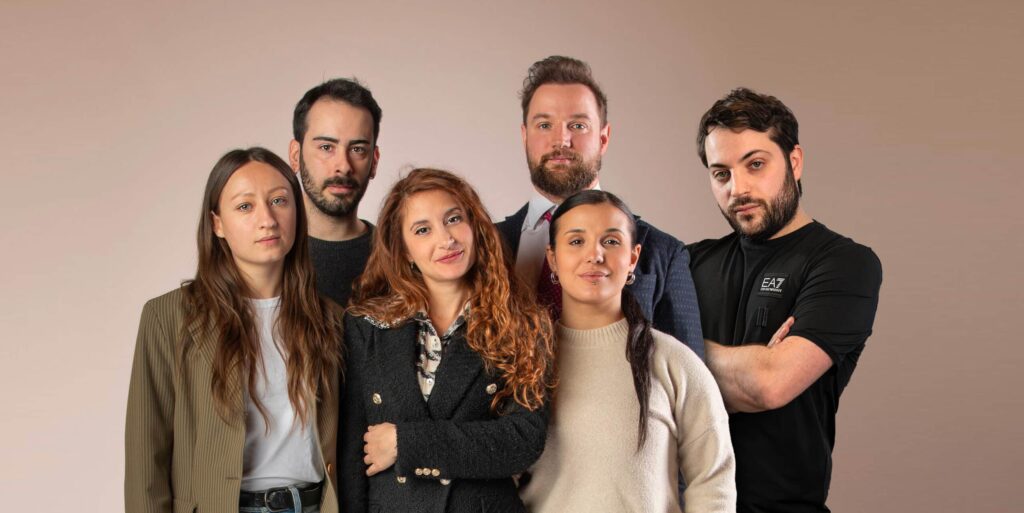
If this is the first article you read on our site, let me tell you about who we are and what we do.In Be A Designer for over ten years we have been supporting designers, entrepreneurs and creative people who want to realise their own fashion collection in Italymaking possible what often seems complex or unattainable.
BRAND IDEA

Creativity must always respect the values of the brand and its customersotherwise they will not 'get it' and consequently NOT buy.
- Corrado Manenti
IDEA OF PRODUCTS
Making fashion small means learning its codes and know how to communicate with the people who will turn your vision into reality!

MATERIAL RESEARCH: A challenge for small volume contract clothing production
La search for materials represents one of the most complex challenges in the contract clothing production in small quantities. Those entering the fashion world for the first time often do not yet have an established business structure or a VAT number, which can make it difficult to access the traditional supply channels. Industrial manufacturers work almost exclusively with structured companies and large quantities, making it complex for emerging designers to source fabrics and accessories in small quantities at competitive prices. We of Be A Designer We have been working for years with leading Italian textile manufacturers and importers, building a strong network of relationships which allows us to obtain both a few metres of fabric for samples and orders of thousands of metres. Thanks to these partnerships, we are able to merge reduced orders several times a year, overcoming one of the biggest obstacles for those wishing to start production in Italy without large volumes. If you do not have access to such suppliers, the options available at the beginning are often limited:- 'Fabric shops by the metreThey supply materials at very high prices, often not reorderable, and only available for one-off items.
- 'Haberdashery or remnant shopsThey offer cheaper fabrics but with the same limitations, i.e. reduced quantities, impossibility of reordering and materials often derived from the processing of other brands. In many cases, these are offcuts or piece bottoms, with no certain information on provenance, manufacturer or technical characteristics, such as resistance to washing or other processing
How to sell your products?
If you thought the hardest part was producing your clothing line in Italyknow that the real challenge begins immediately afterwards: sell your products. Making a quality collection is only the first step, success depends on your ability to make it knownposition it correctly and get it in front of the right customers.
- 'Where will you sell your products?
- 'Which distribution channels will you use to reach your market?

The Process of Third-Party Apparel Production in Italy
Once you have defined your brand idea and chosen your materials, comes the most concrete phase of the journey: contract clothing production. This is where your design takes shape, going from drawing to finished garment. But how does this process actually work? In the following paragraphs we will look in detail at how small-quantity contract garment production is structured, which professionals are involved in the various stages, and because the Italian supply chainwith its specialisation, still represents one of the most efficient and popular models in the fashion world. Understanding these dynamics will help you to planning your production strategicallyoptimising time, costs and resources, without ever losing consistency with your brand identity.The operational phases of small-quantity garment production
La contract clothing production in small quantities is a complex and articulated process involving several professional figures and specialised skills, from the creation of the prototype to the final garment manufacture. In the Italian fashion industry, it is rare to find a single company that manages all phases in-house: the strength of our supply chain lies precisely in the specialisation. Each company focuses on a specific area, guaranteeing results of the highest technical and craftsmanship level. Here are some of the main figures involved in production:- 'ModellersThey only deal with the creation of the paper pattern of a garment.
- 'PackersThey assemble the garments, but to do so they need all the materials, including labels and accessories, to be supplied by the brand.
- 'CuttersMany companies concentrate solely on cutting the fabric, supplying the parts ready for packaging.
- 'PrintworksThey print the fabric, but the suitable fabric must be identified and supplied by the customer.
- 'PrototypistsThey only make prototypes before actual production.
The advantages of toll manufacturing
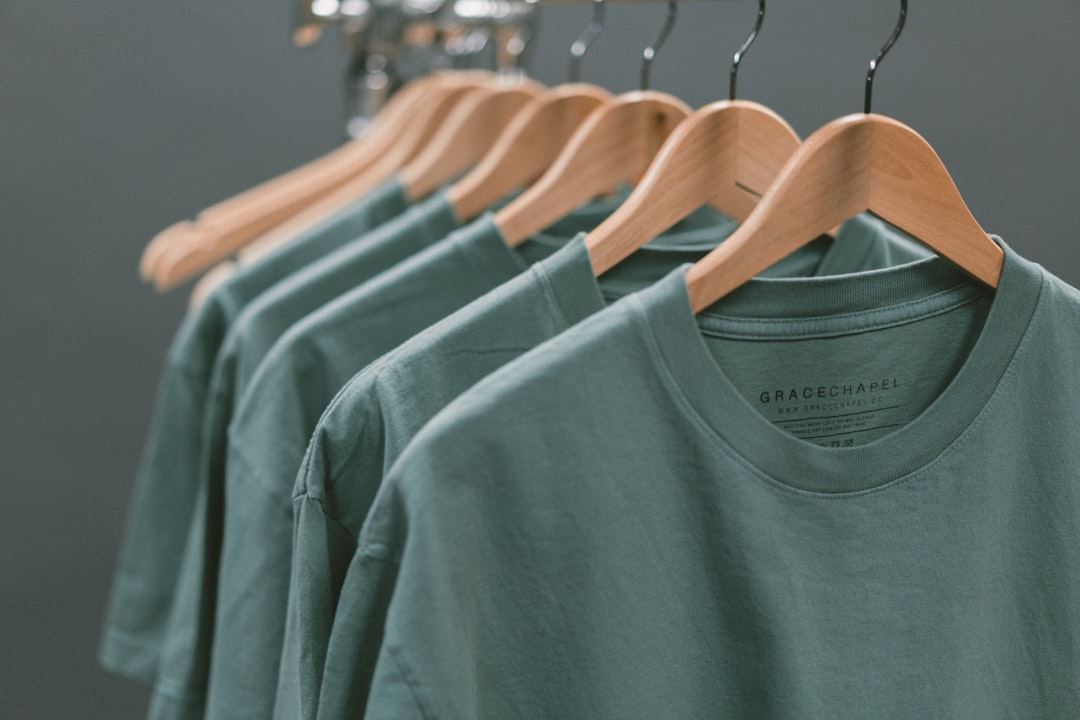
Choose the contract clothing production in small quantities offers numerous advantages, especially for brands and companies wishing to focus on their core business and optimise resources, time and costs. This production model allows the most technical steps to be delegated to experienced professionals, while retaining full creative control over the final result. Among the main benefits are:- 'Cost reduction: Outsourcing production avoids the high investment needed to run an in-house plant, reducing fixed expenses and optimising the budget.
- 'Greater flexibility: thanks to the contract clothing production in small quantitiesyou can quickly adapt to market fluctuations and new trends by testing designs or capsule collection without having to bear great economic risks.
- 'Access to specialised expertise: collaborate with professionals from Italian supply chain makes it possible to exploit a unique know-how of craftsmanship, quality and innovation. The sharing of experience and resources guarantees excellent results and high production standards.
What can you produce with contract manufacturing?
La contract clothing production in small quantities offers extraordinary creative freedom, allowing a wide range of garments to be made, from the most structured tailored models to the ready-to-wear collections. One can develop jackets, trousers, skirts, shirts, dresses or outerwear, as well as casual and streetwear lines, all sharing a high level of customisation and typically Italian craftsmanship. This production model is ideal for those who wish to propose unique and differentiated collections, built around a well-defined brand identity. It allows you to experiment with shapes, materials and details, creating capsule collections or niche mini-lines that fully reflect your own stylistic vision. A further advantage of the contract clothing production in Italy is the possibility of maintaining the same quality even on small runs: thanks to the flexibility of the craft workshops and the precision of the production techniques, it is possible to obtain garments with attention to detail without having to deal with the costs of in-house production or large industrial volumes. In this way, emerging designers, start-ups and independent brands can develop exclusive and valuable collections, testing the market and refining their positioning in the fashion industry.Garment production: differences between tailoring and mass production
In the fashion world, understanding the difference between sartorial production e mass production is essential to choose the most suitable model for your brand. Both approaches offer specific advantages, but respond to very different needs and market strategies.The characteristics of tailoring production
La sartorial production is characterised by its craftsmanship and attention to detail at every stage of the process. Each garment is made with care, often made-to-measure or in limited editions, to guarantee a high level of customisation and quality. It is the ideal choice for brands that want to focus on uniqueness, precision finishing and authenticity of the Made in Italy.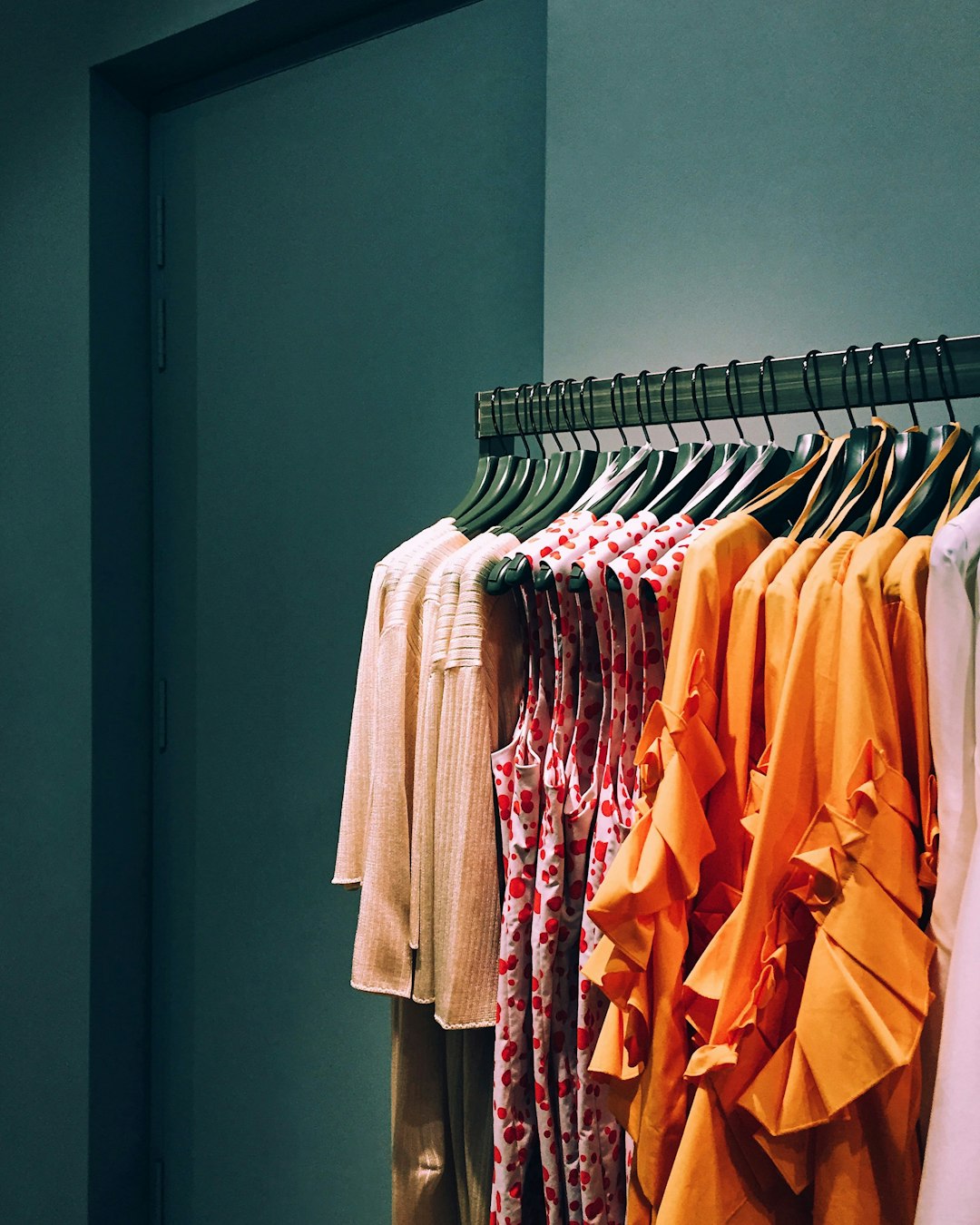
The advantages of mass production
La mass productionInstead, it emphasises quantity and speed. This approach makes it possible to reduce unit costs through economies of scale and to respond quickly to market demand. It is the most suitable solution for companies wishing reach a wider audiencewhile maintaining a good balance between quality and price competitiveness.Which companies should opt for tailor-made production?
La sartorial production is perfect for brands wishing to position themselves in the luxury and high fashion segment, where exclusivity, craftsmanship and attention to detail are essential values. In Italy, the home of manufacturing excellence, there are numerous artisan workshops specialising in limited productions, capable of transforming each garment into a unique work. Naturally, this choice entails higher costs than mass production: craftsmanship requires time, skills and valuable materials, elements that affect the final price of the product. On average, tailor-made garments can start from approx. € 600 per unit, depending on the complexity of the design, machining and hand finishing required. Choose the sartorial production in Italy means not only standing out in the market, but also enhancing and preserving Italian craftsmanship and design, internationally recognised for quality and style. It is the ideal solution for brands wishing to offer collections of handmade luxury, designed for exclusive boutiques or haute couture ateliers. Do you want to understand which type of production is best suited to your brand? Contact the Be A Designer team to receive a personalised consultation and find out how to structure your collection according to your brand positioning.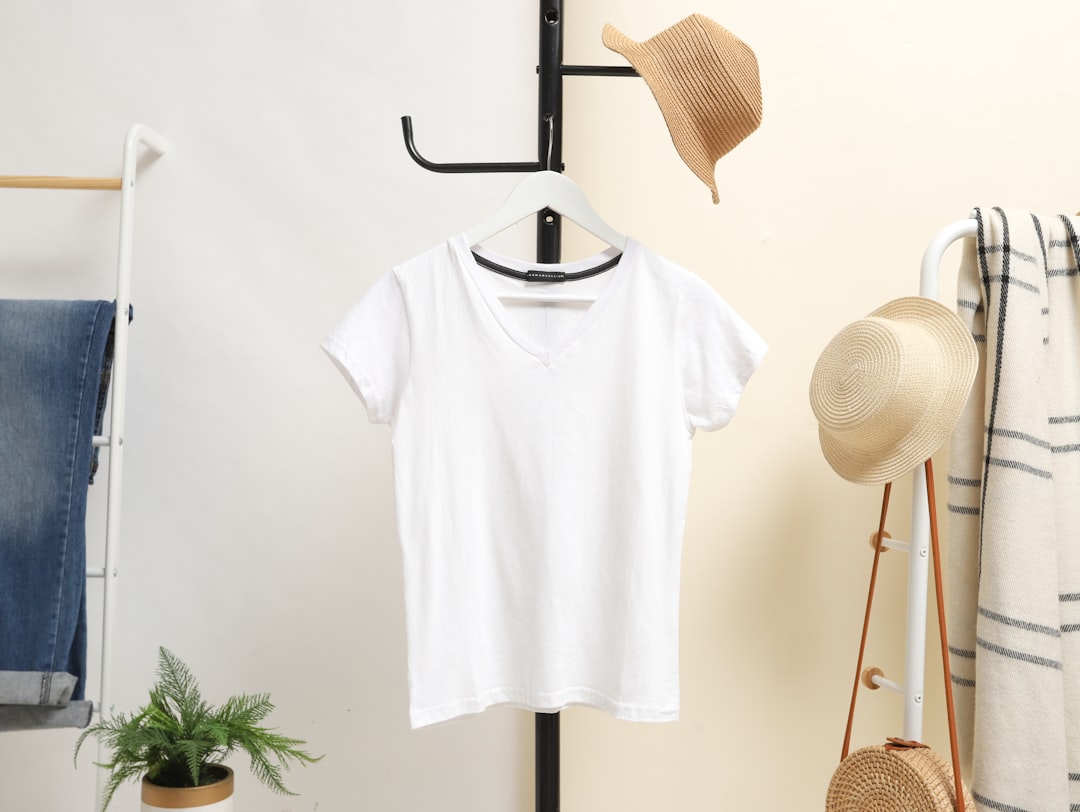
Costs and quality in small-quantity apparel production
When we talk about contract clothing production for small quantitieswe generally refer to the production of 50-100 pieces per model. This type of production tends to be more expensive on a per-unit basis than mass production, but offers numerous advantages in terms of flexibility, exclusivity and speed in responding to market trends. What does it mean to produce in small quantities?- 'A model refers to a specific design or style of a garment.
- 'A variant of a model represents differences in colour, fabric or other features, while keeping the basic design unchanged.









 Italian
  English
  French
  German
  Spanish


The article offers an immersion into the world of Italian fashion, where contract manufacturing for small quantities is crucial to maintain high standards of quality and customisation. The 'Made in Italy' formula is not just a brand name, but a guarantee of craftsmanship excellence. This approach not only respects tradition but also supports innovation, enabling small designers to create unique collections. The ability to adapt to the needs of a market that prizes uniqueness is reflected in every detail, similar to the quest for exclusivity that we might find in a distinctive accessory such as a silver handbag. Be A Designer's production highlights the importance of careful and customised work, underlining how authenticity and passion for detail are essential values in the Italian fashion industry.