

We are used to seeing winter clothes on the catwalks when it is still shorts and swimwear outside, or, conversely, summer clothes in the middle of winter. Le fashion seasons, in fact, do not coincide with the weather, and this is now clear to anyone who follows the fashion world. But if you've ever wondered how the fashion seasons work and why the times always seem to be “out of sync”, know that this is no coincidence: everything follows a precise calendar that marks the rhythms of the fashion system.
The fashion world moves on a well-defined cycle of seasons that regulate the production, sale and promotion of each fashion collection. Understanding this mechanism is crucial for those who want to build a solid and competitive brand, capable of planning the release of their creations.
In this article we will discover when the collections come out, which are the key periods to present them and how to organise creative work according to the ready-to-wear calendar.
I am Corrado Manenti and guide you into the fascinating universe of the fashion seasons, to help you understand how this system affects the creation, promotion and sale of your collections.
We will look together at the role of core and intermediate collections, and the challenges every designer faces in keeping up with an industry that is now evolving faster than ever. You will understand how seasonality influences your fashion collection and what strategies you can adopt to make it more sustainable and in line with new market requirements.
If this is your first time here, welcome to Be A Designer: the community dedicated to emerging fashion designers and those who dream of turning their passion for fashion into a successful business.
What is meant by the fashion cycle?
Le fashion seasons are the heart of the industry's business cycle and allow the market to continuously renew itself, keeping the public's attention and curiosity high. Understand how the fashion seasons work is essential for any young designer who wants to build a fashion collection capable of arriving in shops at the right time.
In general, designers present two main collections per year: Spring/Summer (S/S) e Autumn/Winter (F/W). Each season lasts about six months, but the work behind the scenes starts much earlier: time is needed to design, produce and distribute the garments so that they are ready for launch. For example, the Autumn/Winter collection has to be almost finished by the middle of the Spring/Summer season.
Here is when the collections come out during the year:
- September/October: the following year's Spring/Summer collections are presented.
- February/March: it is the turn of the following season's Autumn/Winter collections.
This advance calendar allows buyers to place orders and producers to organise production at the right time. It is a system designed to ensure efficiency and continuity, rather than to follow the rhythm of the weather seasons.
Just think of brands such as Dior, Prada o Chanel: each of their fashion collection is studied and planned well in advance, respecting a precise calendar. The fashion shows in September anticipate the warm season, those in February introduce the winter looks.
For an up-and-coming designer it is important to know these rhythms, even if one does not yet participate in the big catwalks. Everything, from production to communication, revolves around these rhythms, and knowing how to manage them means taking a step towards a more structured and professional brand.
If you want to understand how to shape your idea and turn it into a concrete project, discover the guide on how to create a clothing brandyou will find practical tips, strategies and inspiration to build a brand that truly reflects your creative vision.

How do seasons work in fashion?
Understand how the fashion seasons work means getting to the heart of the system that regulates the entire industry. Behind every fashion collection there is a precise timetable that defines not only when present a garment, but also such as e why. The big fashion houses and emerging brands plan each stage (from the search for materials to the fashion shows) following a logic that aims to keep the public's attention throughout the year.
Le fashion seasons serve precisely this purpose: to create pace, expectation and desire. While a collection is being presented, the creative team is already working on the next one, and the marketing department prepares the strategy to make it known. This mechanism ensures continuity and allows brands to stay current.
Today, however, the system is changing. Many independent designers are choosing to break the mould, preferring more flexible calendars and collections that tell stories without tying themselves too closely to the seasons. This is a strong signal: creativity can live with the rules, but also reinvent them. Knowing the traditional structure of the seasons is important, but learning to use it in a personal way is what really makes the difference for a designer who wants to stand out.
When do the collections come out?
If you are planning your first fashion collection, one of the first things to understand is when to let it out. Le fashion seasons have a rhythm all of their own and, to move strategically, it is important to learn to manage timing professionally. Each phase, from idea to prototype to production, must be planned to arrive ready at the right time, when the market is most receptive and buyers are looking for new things to offer.
In the fashion system, the timing is everything. Presenting a collection too early can mean losing attention, while doing it too late risks making it go unnoticed. For this reason, emerging designers must also learning to build your own creative calendar, striking a balance between inspiration, production and launch strategy.
If you want to understand how best to plan your time and make your fashion collection competitive, you can rely on our consulting service for stylists. We will help you define clear objectives, identify the right time to present your collection and build a tailor-made path to grow your brand with method and creativity!
The Intermediate Collections: Untangling the Pre-fall and Resort/Cruise Collections
Collections become even more dynamic when the in-between seasons come into play: Pre-Fall e Resort/Cruise.
These lines, which started out as extensions of the main collections, today represent a fundamental element in the commercial strategy of each fashion collection, allowing brands to keep the market's attention throughout the year.
Le Resort Collections, also called Cruise, were originally created for an elite clientele who spent their winter holidays in tropical destinations or on cruise ships. The garments were light and colourful, designed for an off-season summer. Over time, however, this concept has evolved: today the resorts combine summer and winter garments, becoming versatile and comprehensive proposals, designed for an international audience experiencing different climates and lifestyles.
Countries like China, Russia or the Arabian Gulf nations have different consumer needs than Europe and the United States, hence the success of these “bridge” collections. Lightweight outerwear, fluid fabrics and models adaptable to different temperatures allow brands to strategically respond to the demands of an increasingly connected and mobile market.
Besides their commercial function, resorts are also a powerful communication tool. Unlike the main collections, which are presented during Fashion Weeks, the maisons often choose spectacular locations for their shows: Chanel in Cuba, Dior in Marrakech, Louis Vuitton in Brazil. Each fashion show becomes a global event, reinforcing the brand identity and transforming the collection into an emotional and aspirational experience.
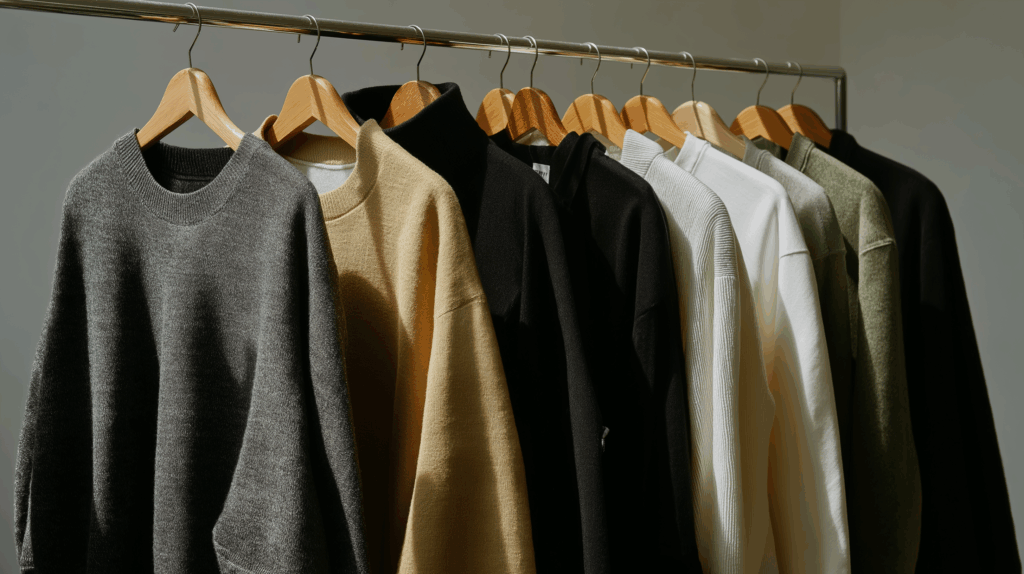
Usually, the Resort collection are presented in May and arrive in shops between November and December, anticipating the holiday season and travel to exotic destinations.
Le Pre-Fall, instead, are more intimate and practical collections, often presented with lookbooks or small private events. They enter shops as early as May, offering a smooth transition between the main seasons and meeting the needs of a customer who is increasingly fluid and less tied to the concept of season.
In an industry as competitive as fashion, these intermediate collections show how important it is for brands to stay present, innovating not only in products, but also in communication and distribution strategies. For an emerging fashion designer, understanding these dynamics means being able to plan with awareness and build a fashion collection really in tune with market times.
When and how to show your fashion collection to the public
The launch of a fashion collection is not an isolated moment, but a path studied in detail, built step by step with strategic choices and a lot of consistency. Showing your collection to the public means tell a story that moves you and makes you feel who you are, through images, words and atmospheres that all speak the same language.
From the creative phase to production, every piece must lead towards the moment of launch, where everything clearly communicates your vision. This is where the integrated communication, combining online and offline into one coherent and recognisable narrative.
In digital, every piece of content becomes a point of contact with your audience. Shoots must be more than just photos: they serve to building the visual identity of the brand and convey the personality of the collection. Videos allow you to immerse the viewer in your creative world, the website becomes the showcase of your work, and social media is the space to cultivate the relationship with your community and build anticipation for the launch.
Even offline, your fashion collection must be able to talk about you. Private presentations, pop-ups, experiential events or small fashion shows can turn into authentic moments of connection. Every detail, from location to visual mood, from communication materials to music, contributes to a memorable experience and reinforces your brand perception.
Thinking when and how to show your fashion collection means learning how to manage time and narrative. It's not enough to publish a post or open an e-commerce: you need a clear strategy, a defined timeframe and communication that can enhance your project in the right way. At this stage it is also useful to understand which sales channel to choose for your brand, an aspect that can make a real difference in the success of the launch: we discuss this in detail in this article dedicated.
5 KEY ELEMENTS FOR AN EFFECTIVE COLLECTION LAUNCH
- Coordinated Shooting
Not just beautiful pictures, but images designed to speak the same language as the collection and the brand. - Emotional or teaser video
A short video, even a simple one, can create atmosphere, anticipation and an emotional connection with the audience. - Updated and navigable website
Your collection must have a digital home: easy to use, consistent with brand identity and ready to sell. - Structured social plan
From reels to launch posts: you need a strategy, not just content. Frequency, tone and style must be aligned. - Direct communication
Newsletters, customised invitations, previews for customers or buyers: engage those who really matter, at the right time.
And if you want to build a tailor-made launch strategy for your next fashion collection, contact us to receive a customised support. Together we can turn your idea into a collection that will stand out and be remembered.
The future of fashion seasons: what opportunities for new brands?
If you are thinking of launching your fashion collection, does this issue concern you closely: to follow the traditional calendar or to propose a more flexible model?
The concept of “season” in fashion, however established, is changing. The rigid subdivisions Spring/Summer e Autumn/Winter are giving way to a more fluid, dynamic and personal vision. New generations of consumers are no longer guided only by the calendar, but by emotions, values and immediate desires. An evolution that is intertwined with the principles of slow fashion, a movement that values time, quality and sustainability, pushing designers to create in a more conscious and authentic way.
This change, which for big brands is a challenge, for emerging brands is a great opportunity: it allows them to break free from pre-established schemes and build a more authentic, direct and organic dialogue with their audience. Those who start today have the privilege of rewriting the rules of the game, adapting them to their own vision and creative pace.
You can choose to create seasonal“ collections based on your language, not just on the calendar. Or opt for thematic capsules, modular collections, continuous drops or stories in progress. This freedom allows you to better budget and production management, but also to build a more intimate and sincere relationship with those who choose your brand.

Imagine you close your eyes. What is the first frame that appears to you? Perhaps an expanse of white linen moving in the wind, a clear sky, skin glowing with sunlight. Or a warm room, lit candles, velvet, intimate atmosphere.
Every season has its own imagery: a set of symbols, colours, materials and moods that make it immediately recognisable. Knowing how to draw from this visual universe allows you to build a fashion collection solid and coherent, capable of speaking the language of the time in which it was born.
Creating a seasonal concept does not mean giving up your identity, but channelling it into a narrative that the public can understand and desire. A summer garment evokes lightness, light and movement; a winter one conveys structure, warmth and depth. The season, after all, is just the narrative container of your brand, a space where you can express yourself in an even more precise and recognisable way.
And that is where we come in: we help you turn your vision into a concrete project, build a fashion collection that combines aesthetics, consistency and timing. Find out how we can accompany you step by step with our consultancy service and contact us directly to receive tailor-made support for you! Together we can shape a collection that is not only beautiful, but also authentic, strategic and memorable.
Telling emotions, not just seasons
The future of independent fashion no longer speaks only of summer or winter: it speaks of mood, sensations and moments of life. A brand that is born today has the power (and the responsibility) to create authentic connections, building collections that respond to real needs, not to deadlines imposed by the fashion seasons.
You want to launch a fashion collection talking about freedom? No need to wait until June.
Have you created garments that convey intimacy, warmth and protection? They don't necessarily have to come out in November.
Those who build a contemporary brand must learn to read the emotions of their audience, to interpret their inner time rather than the weather. The real strength of a collection lies not only in the choice of materials or colours, but in the ability to tell a story that touches people at the right moment.
In an increasingly connected and unpredictable world, seasons are no longer cages, but expressive tools. It is up to you to use them to tell something authentic, necessary, deeply yours!
How to choose the right season for your first collection with the BAD method
In the world of fashion, time is everything. You can have an extraordinary idea, work with fine materials and build a fashion collection strong concept, but if you arrive late you risk being out of the game. Timelines are not just deadlines: they are the backbone of a professional project. Managing them well is what distinguishes an improvised approach from a truly entrepreneurial vision.
Each collection requires clearly defined phases: research, design, pattern making, prototypes, corrections, fitting tests, photo shoots, communication materials creation and launch. Each of these stages needs time, coordination and planning. A delayed fitting can postpone production, a postponed shoot can jeopardise the launch plan, and an incomplete product sheet can affect sales.
With us, however, every detail is under controlTogether we build an operational calendar that allows you to meet deadlines and experience the process with serenity and clarity.

Working methodically does not limit the creativityIt empowers you. It frees you from last-minute chaos and allows you to really bring out your vision. Your project must not only be realised, it must reach the world at the right time, in line with the pace of fashion seasons and with the needs of your market.
The fast fashion giants have accustomed consumers to constant novelty and affordable prices, but this model is less and less sustainable, both for the environment and for those who create. If you are launching an independent brand, your strength is authenticity, quality and consistency. Brands such as The Row, Lemaire or Nanushka prove it: one can grow with a slow vision, made of selected materials, authentic storytelling and more realistic timeframes.
Many young designers are already experimenting with new production models: some work on continuous collections, with key garments available all year round; others choose on-demand production to reduce waste; still others adopt the drop logic, with micro-collections distributed in strategic moments. But whichever model is chosen, communication remains an essential part of the process. Realising a effective fashion shooting, for example, is one of the key steps to visually tell your collection and position it in the right way.
Creating a collection is not just a creative act: it is a strategic journey that starts long before you choose fabrics or draw your first sketches. Our method stems from this awareness: we accompany you step by step, combining inspiration and structure, vision and concreteness, starting from the foundations of the brand.
Contact us to talk about itWe can help you work out which season best suits your idea and how to turn it into a collection that reaches the public at the perfect time!
Brand analysis with the Fashion Business Designer Canvas
One does not start by drawing. One starts by thinking.
This is the mantra with which we welcome each new project. Before we even talk about the collection, we sit down with you and build your brand map. We use an exclusive tool, created and perfected by me: the Fashion Business Designer Canvas.
It is a visual, practical and intuitive model that allows you to have a clear and complete vision of your project. Let us analyse together who you are, what you want to convey, who you want to address and what is the ideal positioning for your brand.
But we don't stop at theory. We work on your visual language, your brand values and your creative personality. We build your brand identity, so that each garment you design becomes part of a coherent, recognisable and memorable system. If you want to learn more about how to give visual form to your idea, also read our guide on how to create a fashion moodboardan essential tool for translating concepts into images, colours and materials.
It is like build the foundations before raising the wallsa job that allows you to make decisions with more confidence, even if it is your first collection. And above all, it helps you to never lose your compass, not even when the creative process starts running fast.
Defining the operating schedule tailored to your project
Every brand has its own rhythm. And every project needs a tailor-made time.
In our method there are no pre-packaged paths: what we build with you is a sartorial calendar, designed to respect your creative energy, availability, goals and market deadlines.
Thanks to this structure, every moment of your journey is designed to take you from an idea to a concrete brand, without dispersion or blockages. A method that accompanies you step by step, with an experienced team always at your side.
We establish the stages together: from creative research to conception, from prototype realisation to shooting, through to promotion and official launch. Each stage is carefully planned and flexible, taking into account the real needs of your project, not just an ideal model.
Fashion is art, yes. But it is also method, timing and organisation.
And this is where our work becomes valuable: we turn your vision into a solid project, capable of walking in the real world without stumbling, without taking unnecessary risks, without missing opportunities.
Want to find out how we could build the perfect calendar for your collection? Book your free consultation and start planning your fashion debut the right way!
From creation to launch: we follow you step by step
We are not a course, we are not a platform and we do not leave you with tutorials to follow. We are a real team of people, ready to work with you and for you, with all the energy and experience gained in over twelve years of working alongside emerging designers.

We are a team of professional stylists, experienced pattern makers, strategists and communication specialistsall coordinated to accompany you every step of the way.
Whether you start with an abstract idea or an already sketched collection, we are there: to help you make decisions, solve problems, overcome blockages and, above all, realise your project in a professional and credible way.
Over time we have built a strong network of suppliers, workshops, photographers, manufacturers and consultantscarefully selected for quality, reliability and openness to emerging projects.
This means that, even if you start from scratch, you will have access to exclusive materials, high-level workmanship and conditions usually reserved for structured brands.
The result? A collection that is not only beautiful, but ready to be on the market.
A concrete project, with attention to detail, sustainable in cost and scalable over time. A collection that tells who you are, that speaks the language of your audience, and that has all the credentials to turn your passion into a real brand.
The fashion calendar is undergoing a profound transformation. The whole system is opening up to new possibilities: more flexibility in creative times, more focus on sustainability and a renewed respect for the well-being of the people working behind the scenes.
As always, fashion never stops evolving. It is a living ecosystem, constantly moving, capable of redefining itself season after season, following (and sometimes anticipating) the cultural, social and economic changes of our time.
If this article has inspired you, leave a comment and share it with those like you who want to build something beautiful and authentic in the world of fashion!










 Italian
  English
  French
  German
  Spanish


